For decades, commercial renovations have been plagued by the same systemic vulnerability: information asymmetry. From hidden structural deviations behind legacy HVAC shafts to out-of-date spatial schematics, adaptive reuse projects routinely overrun budgets due to unseen variables.
However, a paradigm shift is occurring. By deploying Digital Twin technology—highly precise, 3D virtual replicas of physical structures infused with real-time IoT data streams—renovation companies and multifamily portfolio holders are achieving a staggering 22% average reduction in overall operational costs.
The Cost of "Blind" Renovation
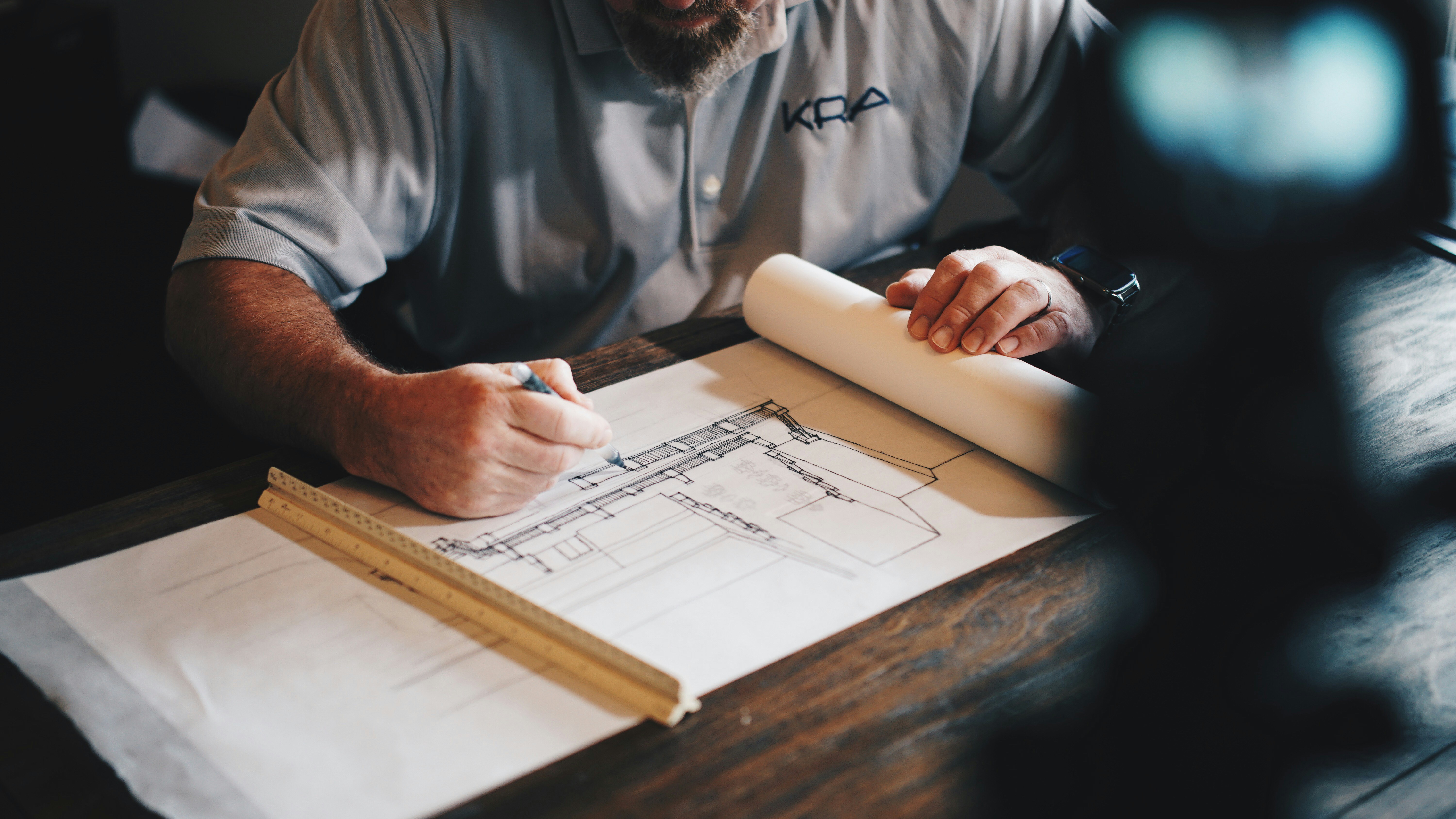
In typical legacy pipelines, a project team relies on old paper plans or point-in-time CAD models. When field teams encounter structural anomalies during demolition, operations grind to a halt while change orders are filed, processed, and evaluated. These compounding delays drain capital, extend carrying costs, and delay stabilization.
For multifamily owners operating across dozens or even hundreds of units, the consequences become exponential. A single week of delay can ripple into missed leasing targets, resident disruption, contractor idle time, and increased financing pressure.
Digital Twins fundamentally change this equation by giving stakeholders continuous visibility into existing conditions before crews ever step onsite. Through LiDAR scanning, BIM integration, and sensor-driven monitoring, teams can simulate demolition sequences, validate infrastructure capacity, and coordinate trades with unprecedented precision.
Breaking Down the 22% Savings Matrix
- Zero-Impact Change Orders: Spatial validation algorithms completely mitigate field design clashes before deployment.
- Optimized Material Allocation: Precision tracking down to the millimeter guarantees exact logistics procurement, reducing raw material waste.
- Accelerated Project Timelines: Real-time synchronization between field conditions and project management systems dramatically reduces downtime between trades.
- Predictive Maintenance Planning: Asset-level monitoring identifies HVAC, electrical, and plumbing risks before catastrophic failure occurs.
- Improved Investor Reporting: Owners and capital partners gain live visibility into renovation progress, budget utilization, and operational performance.

Digital Twins in Multifamily Renovations
The multifamily sector is uniquely positioned to benefit from Digital Twin deployment. Unlike ground-up construction, renovation projects must navigate occupied units, aging infrastructure, inconsistent historical documentation, and compressed turnaround schedules.
By consolidating operational, architectural, and maintenance data into a unified digital environment, ownership groups can make faster, more informed decisions across their entire portfolio. Renovation scopes can be standardized, procurement cycles streamlined, and recurring infrastructure issues identified before they impact residents.
Some operators are now integrating Digital Twins directly into long-term capital expenditure planning, allowing them to forecast replacement timelines for roofs, chillers, plumbing systems, and electrical infrastructure years in advance.
The Future of Construction Intelligence
Digital Twins are no longer experimental technology reserved for enterprise megaprojects. They are rapidly becoming a competitive advantage for commercial renovation firms and multifamily operators seeking tighter margins, faster project delivery, and greater operational resilience.
As AI-driven analytics, IoT infrastructure, and building intelligence platforms continue to evolve, the gap between digitally enabled construction companies and traditional operators will only widen.
The future of renovation belongs to organizations that can see every layer of a building before making a single cut into drywall—and Digital Twins are making that future possible.